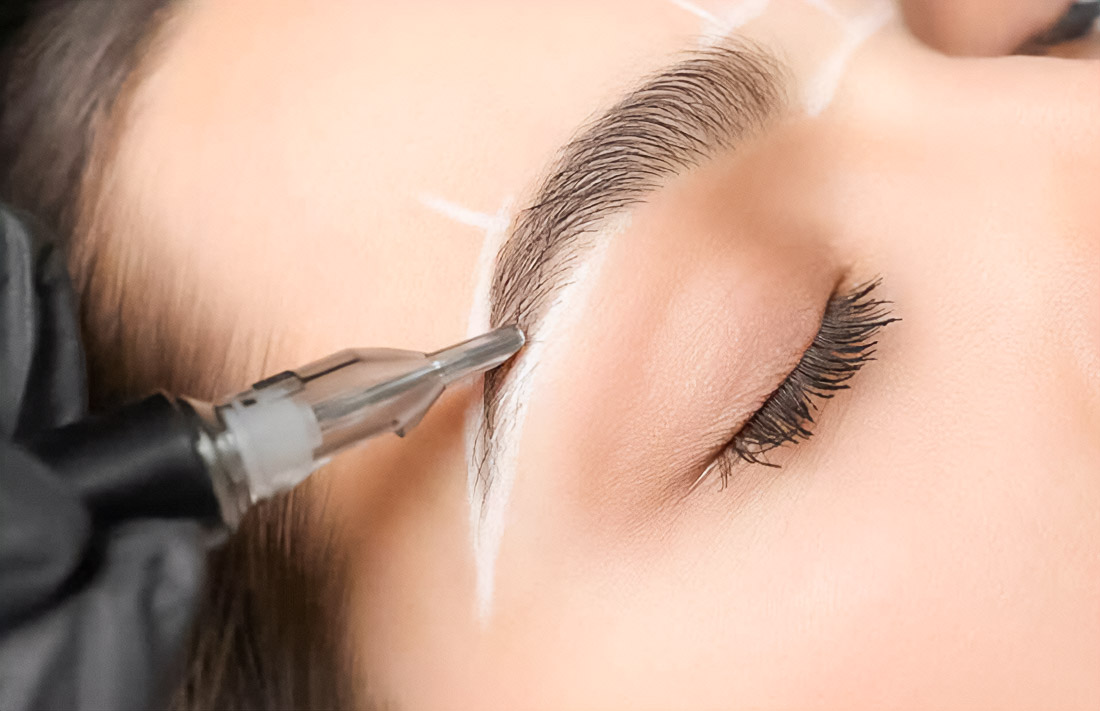
In permanent makeup, the choice of pigment is not a matter of taste or fashion. This is a solution that directly affects the colour behaviour in the skin, the rate of fading, the stability of the shade, the safety of the procedure and the possibility of subsequent correction. Understanding the differences between organic and inorganic pigments allows you to predict the result not at the time of healing, but for years to come.
Chemical Nature and Composition of Pigments
Organic pigments are carbon compounds with a complex molecular structure. They are based on carbon chains and rings, which achieve high colour saturation and brightness of shades. Such pigments have pronounced transparency, high colour purity and strong reflectivity.
Inorganic pigments are formed based on their mineral composition. Most often these are metal oxides, including iron oxides and titanium dioxide. These compounds are characterised by high chemical stability, opacity, and resistance to external factors, including light and oxidation.Their predictable behaviour in the skin aligns well with treatments focused on gradual enhancement, similar to how the best facial for skin rejuvenation prioritises controlled, progressive results.
In actuality, the colour index can be used to identify the type of pigment: particles with a CI value below 77000 are organic, whereas those with a CI code above 77000 are inorganic. Instead of concentrating on marketing descriptions, this method enables an objective evaluation of the composition of pigments in material safety data sheets (MSDS).
Particle Size and Implantation Into the Skin
One of the key factors is particle size. Organic pigments have a smaller particle size, which makes them easier to implant into the skin, gives a faster visual effect and requires fewer application passes. The fine structure of the particles enhances the reflection of light, which makes the colour look brighter and cleaner,an effect often desirable in semi permanent makeup when working with vivid tones.
Inorganic pigments consist of larger particles. They are less transparent, reflect less light, and create more muted, organic colours. Layered implantation may be necessary as a result, but the final product seems softer and more stable over time.
The depth of application and the technique of application play a critical role for both types of pigments. If implanted too deeply, organic pigments can produce a cold residual hue, while inorganic pigments can go into an undesirable warm or grey substrate.
Color Behavior, Healing, and Aging
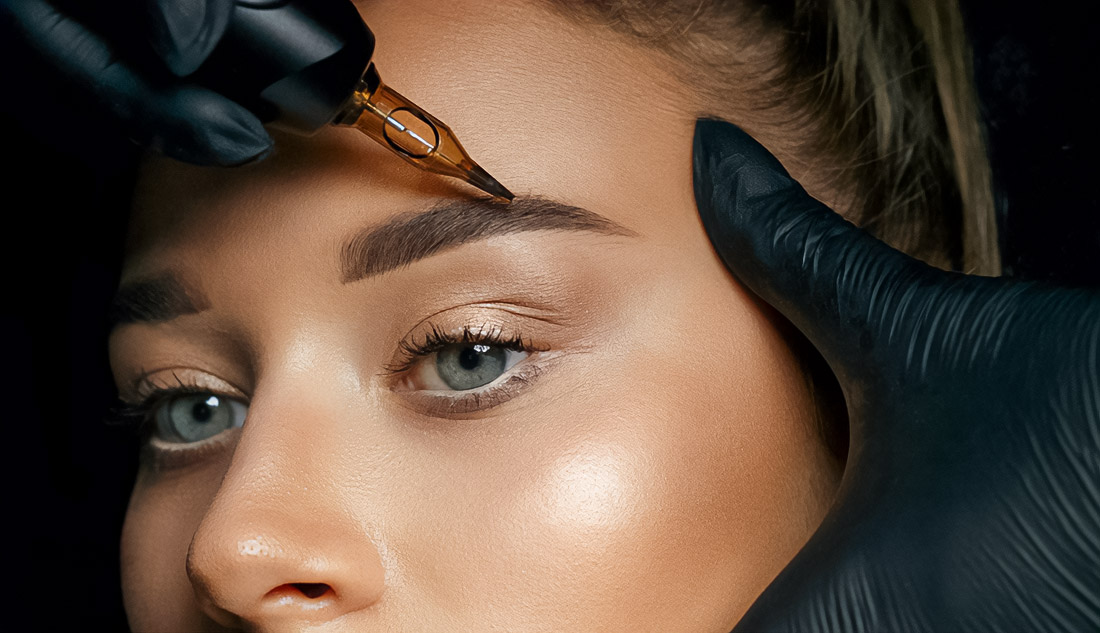
After healing, organic pigments tend to retain their colour saturation and density for longer. On average, the visual durability of such pigments reaches 2-3 years without the need for mandatory correction. However, over time, it is possible to change the colour balance, more often towards cool shades, which is associated with an uneven decay of colour components.
Inorganic pigments behave differently. They heal more gently, look more natural, and gradually lose their fullness. In most cases, a correction is required every 12-24 months. Many people view this fading as a benefit because it allows you to gradually alter the colour’s density, shape, and shade.
It is crucial to remember that the rate of fading is influenced not only by the pigment’s composition but also by the skin’s density, type, sebum production, UV exposure, and unique regeneration traits.
Safety and Allergic Potential
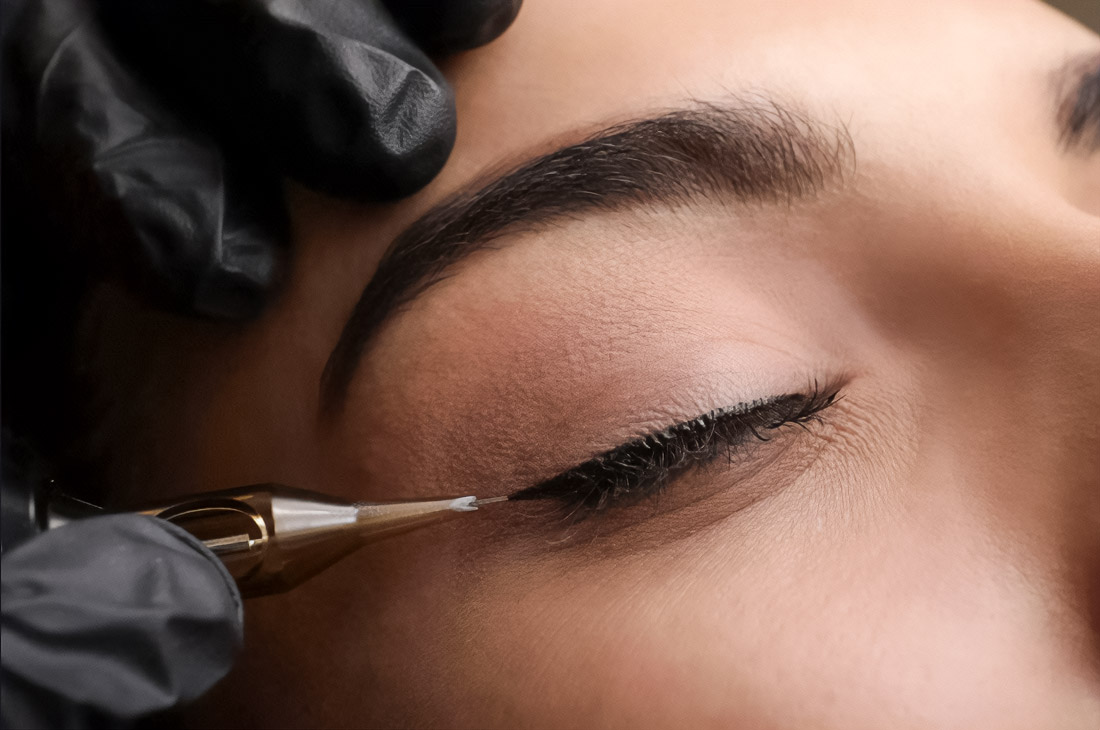
The mineral composition of inorganic pigments makes them more inert and biocompatible. They are less likely to cause allergic reactions and are considered more predictable for sensitive skin. That is why such pigments are often used in areas where stability and safety are important, including eyebrows and the interstitial space.
Organic pigments are generally safe, but their complex carbon structure can increase the risk of individual reactions. In practice, this means that you must properly choose the composition for a particular customer, do patch tests, and meticulously gather medical history.
Color Correction and Residual Shades
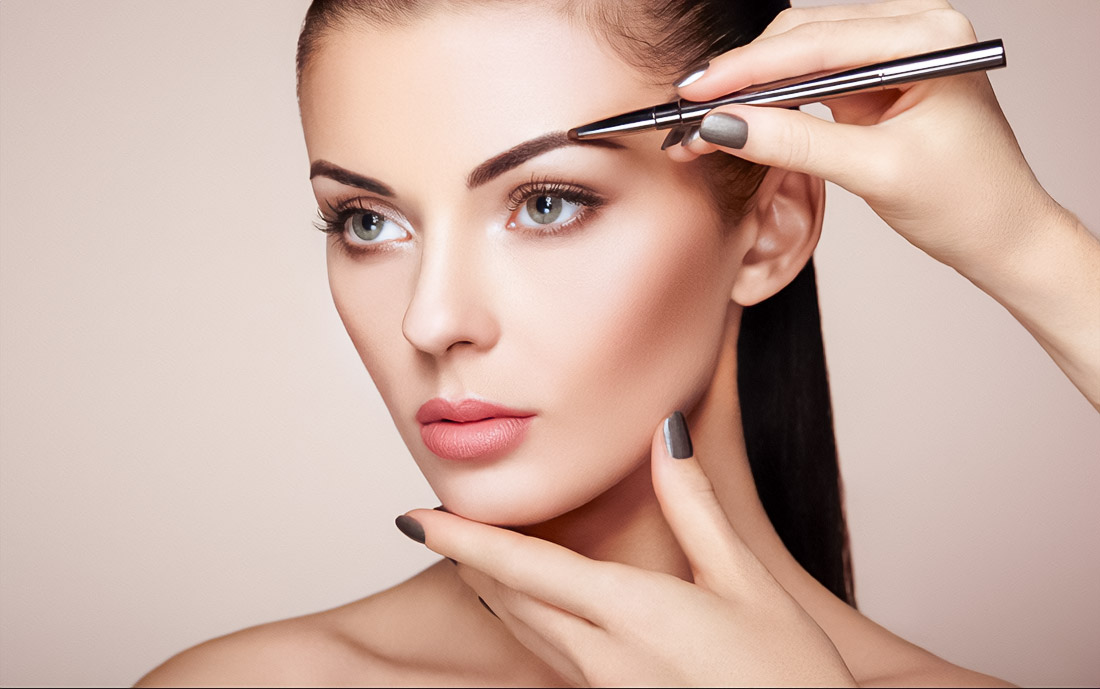
Over time, any pigment leaves a residual colour. When working with organic pigments, a grey-blue or ashy undertone is more often observed. In inorganic compounds, it is possible to go into the red-orange spectrum, depending on the composition and decomposition of iron oxides.
Effective colour correction requires that the previous pigment be lightened by at least 50%. Only in this case is the skin able to take on a new colour without overloading. If the saturation is higher, the correction becomes ineffective, and laser or salt removal may be required.
From the point of view of laser exposure, inorganic pigments, due to their larger and more stable particles, are destroyed more predictably. Organic pigments, on the other hand, can behave erratically due to their fine structure and heterogeneous composition.
Practical Pigment Selection
The task at hand always determines whether to use organic or inorganic pigments. Organic compounds are more often used for bright, saturated areas with an emphasis on colour. For natural, soft and easily correctable results, preference is given to inorganic pigments. In practice, hybrid pigments are increasingly being used, combining the advantages of both types and allowing for more precise control of colour behaviour.
Organic and inorganic pigments are not competitors but tools with different work logic. Their differences are manifested in chemical composition, particle size, implantation into the skin, colour behaviour, rate of fading and correction possibilities. Understanding these processes allows the specialist not only to perform the procedure but also to consciously manage the result, predict pigment ageing and build a long-term strategy for working with the client.
A competent approach to choosing pigments is always a combination of knowledge, technique and responsibility for the result, which will remain in the skin for a long time.

Biker, traveler, drummer, Bauhaus fan and RGD member. Performing at the fulcrum of beauty and mathematics to craft meaningful ideas that endure. Concept is the foundation of everything else.